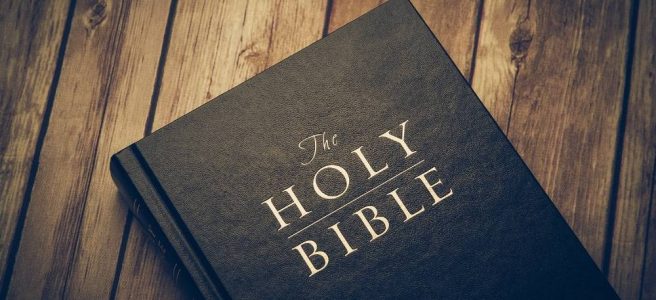
There is something incredibly grounding about holding a book that has already lived a life before it reached your hands. When it comes to sacred texts, this feeling is often amplified. While a brand-new, shrink-wrapped edition from a high-street bookshop has its own crisp appeal, many readers are finding that used bibles offer a depth and character that a new volume simply cannot match. It is not just about the cost, though that is certainly a factor; it is about the sense of continuity and the physical evidence of a faith journey that preceded your own.
When you pick up a pre-loved bible, you might find a name inscribed on the inside cover in elegant, fading ink, or perhaps a pressed flower between the pages of the Psalms. These small traces of previous owners remind us that we are part of a much larger community of readers spanning decades or even centuries. This connection to the past can make your personal study feel less like a solitary activity and more like a shared experience with those who have sought wisdom in the same verses long before you.
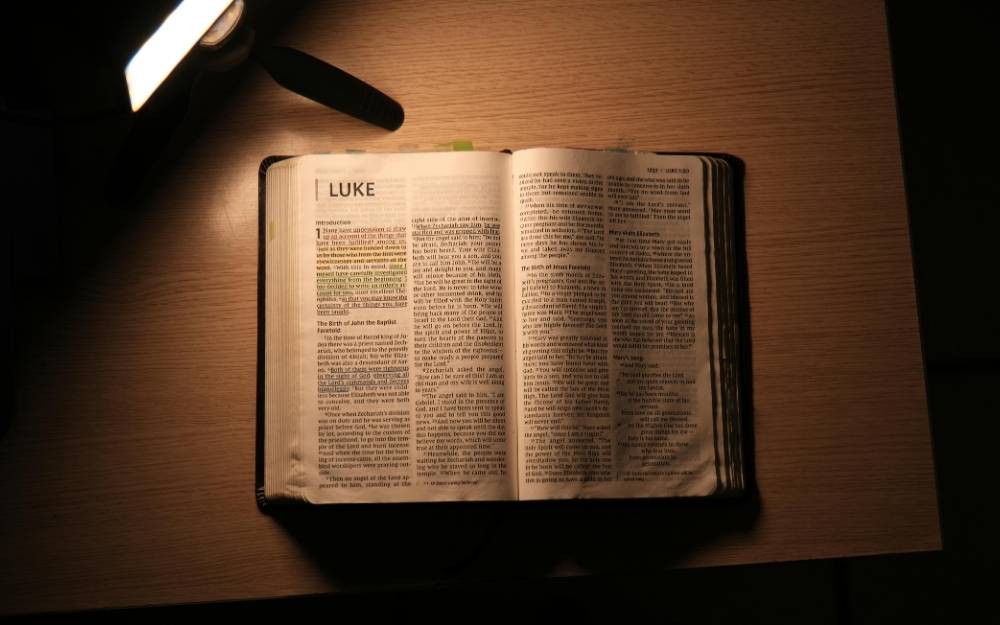
Why buying second-hand is a smart financial move
Let’s be practical for a moment. High-quality bibles, especially those bound in premium goatskin or calfskin leather, can be incredibly expensive when purchased new. For many students, clergy members, or casual readers, the price tag on a top-tier study bible can be a significant barrier. This is where the market for pre-owned copies becomes invaluable. You can often find premium editions that would cost upwards of a hundred pounds new for a fraction of that price.
Choosing to buy second-hand allows you to access better materials and more comprehensive study tools without breaking the bank. Many people find that they can afford a much higher standard of craftsmanship—such as sewn bindings and art-gilt edges—simply by looking for used bibles instead of the latest retail releases. It is a way to steward your finances well while still investing in a beautiful, durable book that will last for years to come.
What to look for when assessing a used copy
- Check the condition of the spine and binding to ensure pages aren’t falling out.
- Look for minimal highlighting or underlining if you prefer a clean text for your own notes.
- Verify the translation and edition to ensure it matches your specific study requirements.
- Assess the quality of the leather or hardback cover for any significant signs of wear or rot.
Finding those elusive out of print editions
One of the most exciting aspects of searching for older books is the chance to find editions that are no longer in production. Publishers frequently update their catalogues, which often means that beloved layouts, specific font choices, or particular sets of study notes are discontinued. If you have a favourite translation or a specific reference system that you grew up with, you might find that the modern versions just don’t feel the same.
The secondary market is the only place where these ‘lost’ treasures can be found. Whether it is a specific 19th-century family bible with ornate illustrations or a compact mid-century travel edition that fits perfectly in a coat pocket, the variety available is staggering. For collectors and enthusiasts, the hunt for these specific versions is half the fun. It requires patience and a bit of searching through specialist catalogues, but the reward of finding that one specific printing is well worth the effort.
Sustainability and the ethics of book ownership
In an age where we are all becoming more conscious of our environmental impact, the decision to buy second-hand is a small but meaningful step towards sustainability. The production of new books involves significant resources, from paper pulp and inks to the energy used in shipping and plastic packaging. By opting for used bibles, you are giving a second life to a resource that has already been produced, effectively reducing the demand for new manufacturing.
There is also a certain ethical satisfaction in rescuing a book that might otherwise end up in a landfill or gathering dust in an attic. Many of these volumes are still in excellent condition and have decades of use left in them. Rehoming a bible is an act of preservation, ensuring that the craftsmanship and the words within continue to be valued and used as they were intended.
Benefits of choosing pre-owned books
- Reduces the carbon footprint associated with new book production and transport.
- Prevents perfectly usable books from being discarded and wasted.
- Supports independent booksellers and small businesses that specialise in second-hand trade.
- Preserves historical printing techniques and traditional bookbinding styles.
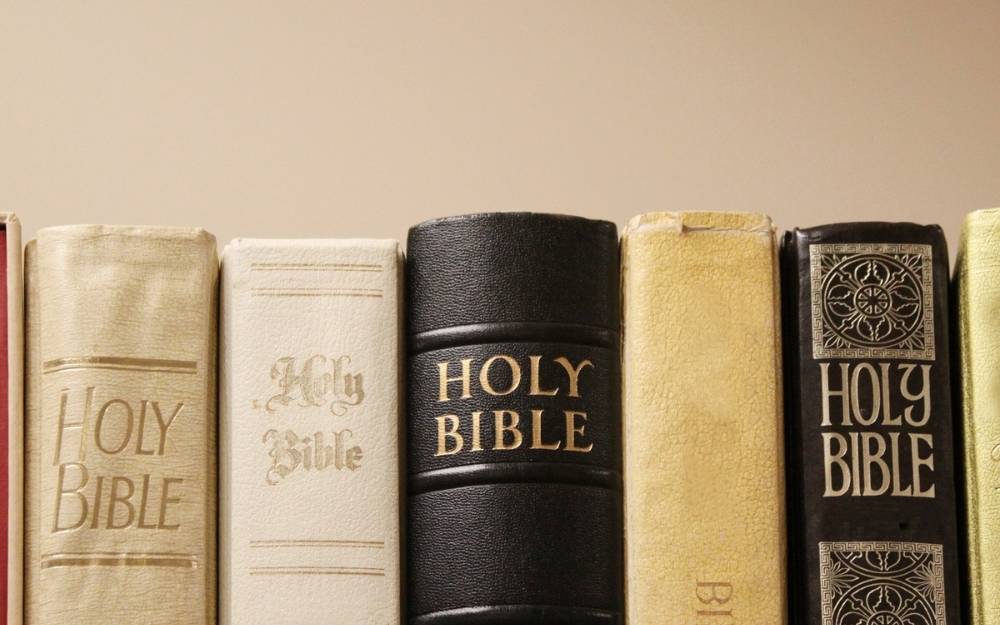
How to choose the right copy for your needs
When you start looking for a pre-owned bible, it is helpful to have a clear idea of how you intend to use it. Are you looking for a ‘workhorse’ copy that you can take to church and scribble notes in? Or are you looking for a beautiful heirloom-quality volume for your home library? Knowing your primary purpose will help you narrow down the vast array of options available.
If you are a student, you might prioritise a copy with wide margins for note-taking, even if the cover shows a bit of wear. If you are a collector, you might be more interested in the rarity of the translation or the prestige of the publisher. Don’t be afraid to ask sellers for more details about the condition of the paper or the presence of any previous ownership marks. Most reputable sellers of used bibles are happy to provide extra photos or descriptions to help you make an informed choice.
Where to find the best curated collections
While you can sometimes find gems in local charity shops, the most reliable way to find high-quality editions is through specialist booksellers. These experts understand the value of different translations and the nuances of various bindings. They often take the time to clean and repair volumes before listing them, ensuring that you receive a book that is ready for immediate use. Shopping with a specialist also gives you the peace of mind that the book has been accurately described and fairly priced.
Online platforms have made it easier than ever to browse collections from the comfort of your own home. You can filter by translation, age, or price point, making the process of finding exactly what you need much more efficient. Many collectors find that building a relationship with a trusted bookseller is the best way to be notified when rare or particularly interesting copies become available.
Preserving your find for the next generation
Once you have acquired a second-hand bible, taking a few simple steps to care for it will ensure it remains in good condition for many more years. Leather covers benefit from occasional conditioning to prevent them from drying out and cracking. It is also wise to keep older books away from direct sunlight and damp environments, as these can cause the paper to yellow or mould to develop. By treating your used bible with respect, you are not just maintaining a book; you are preserving a piece of history that can eventually be passed on to someone else, continuing the cycle of shared faith and wisdom.

Krista Loeding specializes in travel and lifestyle content, exploring the intersection of elegance, comfort, and adventure in distinctive travel options.